

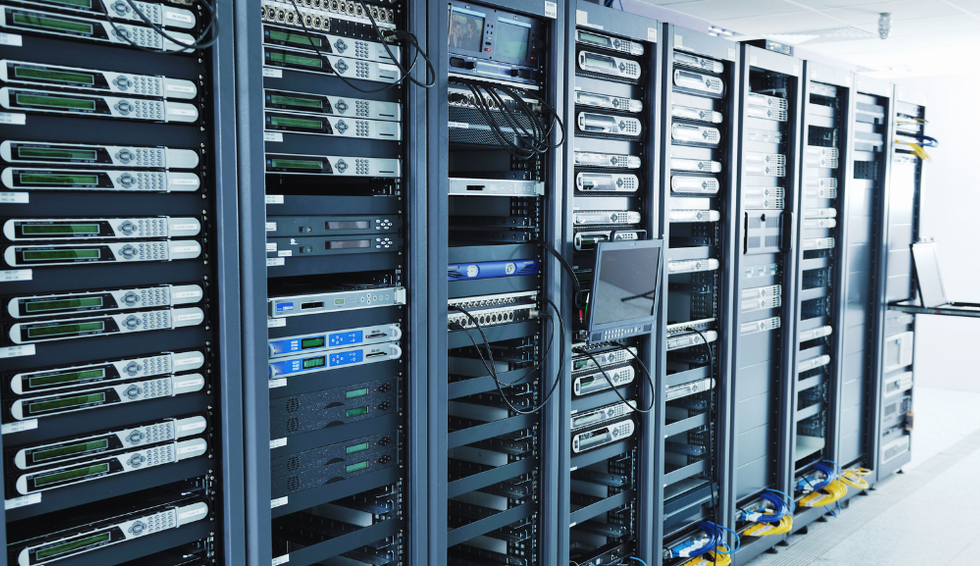
Walk into any data center, IT room, or even a growing startup’s back office, and you’ll notice one thing standing tall and proud: the server rack. It may look like a simple metal frame or cabinet, but don’t be fooled. A server rack is the silent workhorse that keeps modern digital operations running smoothly. From hosting websites and applications to managing internal networks and storing massive volumes of data, server racks play a crucial role behind the scenes.
At its core, a server rack is a standardized frame or enclosure designed to house servers, networking equipment, and related hardware in an organized and secure way. Before racks became the norm, IT equipment was scattered across shelves, desks, and floors—messy, inefficient, and risky. Server racks changed the game by introducing order, scalability, and efficiency into IT environments.
Server racks may seem like just metal frames, but choosing the right size can make or break your IT setup. Whether you’re building a home lab or a data center, Server rack sizes directly affects how well your servers fit, how cool they stay, how neat your cables run, and how much future growth you can handle.
Understanding the Purpose of a Server Rack
If you think a server rack is just a fancy shelf for expensive equipment, think again. Its purpose goes far beyond storage. A server rack is designed to create a structured ecosystem where hardware can operate efficiently, safely, and reliably.
First and foremost, server racks centralize equipment. Instead of having servers, switches, and patch panels scattered all over the place, everything lives in one organized vertical structure. This makes management easier, troubleshooting faster, and upgrades less painful. Imagine trying to trace a network cable across a room versus inside a neatly labeled rack—it’s night and day.
Finally, server racks support scalability. As your business grows, you can add more servers, switches, or storage without rethinking your entire setup. A well-planned rack grows with you, making it a long-term investment rather than a temporary fix.
Types of Server Racks
Not all server racks are created equal. Different environments call for different rack designs, and choosing the wrong one can lead to headaches down the road. Let’s explore the most common types of server racks and where they shine.
Open Frame Server Racks
Open frame server racks are exactly what they sound like—metal frames with no sides or doors. They’re minimalistic, affordable, and incredibly accessible. Because there are no panels blocking airflow, cooling is efficient and straightforward.
These racks are popular in secure environments like data centers or locked server rooms where physical security isn’t a concern. Technicians love them because accessing equipment is quick and easy. However, the lack of enclosure means no protection from dust, noise, or unauthorized access.
Open frame racks are ideal for environments where airflow, accessibility, and budget matter more than aesthetics or security.
Enclosed Server Racks
Enclosed server racks are the most common choice for businesses. These racks come with side panels, front and rear doors, and often locking mechanisms. They offer better protection against dust, physical damage, and unauthorized access.
One major advantage of enclosed racks is noise reduction. Servers can be loud, and an enclosed rack helps dampen that noise—perfect for office environments. Many enclosed racks also include advanced airflow designs, such as perforated doors and built-in fan mounts.
If security, cleanliness, and professionalism are priorities, enclosed server racks are hard to beat.
Wall-Mounted Server Racks
Wall-mounted server racks are compact, space-saving solutions designed for smaller setups. They’re mounted directly onto a wall, keeping equipment off the floor and out of the way.
These racks are common in retail stores, small offices, and remote locations where space is limited. While they don’t support heavy or large amounts of equipment, they’re perfect for network switches, small servers, and patch panels.
Portable and Mini Server Racks
Portable and mini server racks are designed for flexibility. They’re often used in temporary setups, edge computing environments, or home labs. These racks are easy to move, quick to deploy, and surprisingly versatile.
For startups, IT enthusiasts, or businesses testing new infrastructure, mini racks provide a low-commitment entry point into professional-grade equipment management.
Standard Server Rack Sizes and Measurements
One of the reasons server racks work so well across the industry is standardization. No matter where you are in the world, rack dimensions follow the same rules.
Understanding Rack Units (U)
The height of a server rack is measured in rack units, commonly referred to as “U.” One rack unit equals 1.75 inches. Servers, switches, and other equipment are designed to fit into these standardized units.
Common rack heights include:
- 12U for small setups
- 24U for medium environments
- 42U for data centers
Choosing the right height depends on how much equipment you have now—and how much you’ll add later.
Rack Width and Depth Explained
Most server racks follow the 19-inch width standard, which refers to the width of the mounting rails. Depth varies more widely and is a critical factor when choosing a rack.
Modern servers are deeper than older models, so it’s important to choose a rack that can accommodate your equipment comfortably. Too shallow, and installation becomes a nightmare. Too deep, and you waste valuable space.
Server Rack Cooling and Airflow Management
Cooling is the lifeblood of any server rack. You can invest in the most expensive servers and networking gear on the market, but without proper cooling, that investment will slowly cook itself into failure. Heat is the silent killer of IT hardware, and managing it effectively is one of the primary reasons server racks exist in the first place.
Servers generate heat constantly—processors, memory modules, power supplies, and storage drives all contribute. When heat builds up, performance drops, components degrade faster, and unexpected shutdowns become more common. A well-designed server rack helps channel airflow so that cool air enters where it’s needed and hot air exits efficiently.
Importance of Proper Cooling
Think of cooling like breathing for your IT equipment. If airflow is blocked or poorly designed, servers struggle just like a person trying to breathe through a straw. Overheating doesn’t just cause immediate failures; it shortens hardware lifespan, increases power consumption, and leads to higher maintenance costs over time.
Proper cooling also improves reliability. Stable temperatures mean predictable performance, fewer crashes, and less downtime. In business environments where uptime equals revenue, cooling is not optional—it’s mission-critical.
Cooling Methods Used in Server Racks
There are several cooling approaches commonly used in server racks:
- Passive cooling: Relies on natural airflow and ventilation. Suitable only for low-density setups.
- Active cooling: Uses fans and air conditioning to move and cool air. This is the most common approach.
- Hot aisle and cold aisle configuration: A data center strategy where racks are arranged so cold air intakes face each other, and hot air exhausts face each other. This prevents hot and cold air from mixing and improves efficiency.
Modern racks often include perforated doors, adjustable vents, and compatibility with precision cooling systems. When airflow is planned correctly, the entire rack works like a chimney—cool air in, hot air out, no turbulence.
Cable Management in Server Racks
Cables may not be glamorous, but they’re one of the most important—and most overlooked—parts of a server rack. Poor cable management can turn a perfectly good rack into a tangled mess that’s hard to maintain, troubleshoot, or upgrade.
Good cable management improves airflow by keeping cables out of the way of fans and vents. It also makes it easier to identify connections, replace equipment, and reduce human error during maintenance.
Why Cable Organization Matters
Messy cables increase the risk of accidental unplugging, signal interference, and airflow blockage. They also make your IT environment look unprofessional. On the flip side, clean cabling reflects discipline, planning, and operational maturity.
When something goes wrong—and eventually it will—you’ll thank yourself for organized cables. Tracing a labeled, neatly routed cable takes minutes. Tracing a spaghetti mess can take hours.
Horizontal vs Vertical Cable Managers
- Horizontal cable managers sit between rack-mounted devices and help route cables side to side.
- Vertical cable managers run along the sides of the rack and handle larger cable bundles.
The best setups use both. Add cable labels, Velcro ties (never zip ties for data cables), and color coding for even better results.
Power Management in Server Racks
Power is another critical pillar of server rack design. Without clean, reliable power, even the best hardware is useless. Server racks are built to support safe and efficient power distribution while minimizing risk.
Power Distribution Units (PDUs)
PDUs distribute electrical power to devices inside the rack. They come in several types:
- Basic PDUs: Simple power strips with no monitoring
- Metered PDUs: Provide real-time power usage data
- Smart PDUs: Offer remote monitoring, control, and alerts
Smart PDUs are increasingly popular because they give IT teams visibility into power consumption and help prevent overloads before they happen.
Redundancy and Backup Power
Redundancy is the name of the game in professional IT environments. Many racks use dual power supplies connected to separate PDUs. Add an uninterruptible power supply (UPS), and you have protection against power outages, surges, and brownouts.
A UPS gives you time—time to shut down systems gracefully or wait for backup generators to kick in. Without it, sudden power loss can corrupt data and damage hardware.
Server Rack Security Considerations
Physical security is just as important as cybersecurity. A server rack often contains sensitive data, critical infrastructure, and expensive equipment. Protecting it is non-negotiable.
Enclosed racks with locking doors are the first line of defense. Some environments go further with biometric access controls, surveillance cameras, and audit logs to track who accessed the rack and when.
Security also includes environmental protection. Side panels keep dust out, and sturdy frames protect equipment from accidental bumps or vibrations. In shared spaces, a locked rack can be the difference between peace of mind and constant worry.
Server Rack Installation Best Practices
Installing a server rack isn’t just about bolting it to the floor and sliding in servers. Proper installation sets the foundation for everything that follows.
Start with planning. Map out equipment placement, airflow direction, and cable routes before installing anything. Place heavier equipment at the bottom to maintain stability. Ensure proper grounding to protect against electrical faults.
Leave enough clearance around the rack for airflow and maintenance access. A cramped rack is a frustrating rack.
Server Racks in Data Centers vs Small Offices
Server racks serve the same basic purpose everywhere, but their implementation varies widely.
In data centers, racks are densely packed, highly standardized, and optimized for maximum efficiency. Cooling, power, and security are engineered at scale.
In small offices or home labs, racks are more flexible and often multifunctional. They may house servers, networking gear, and even audio-visual equipment. The key difference is scale—not importance.
Future Trends in Server Rack Technology
Server racks are evolving rapidly. Modular designs allow racks to adapt to changing needs. AI-driven monitoring predicts failures before they happen. Sustainable materials and energy-efficient designs are becoming standard as organizations push toward greener IT.
Edge computing is also influencing rack design, with smaller, smarter racks deployed closer to users and data sources. The rack of the future is not just a container—it’s an intelligent system.
Conclusion
Server racks may not be flashy, but they are absolutely essential. They bring order to complexity, efficiency to chaos, and reliability to systems we depend on every day. Whether you’re managing a massive data center or a modest office setup, the right server rack makes everything easier—from cooling and power management to security and scalability.
Investing in a well-designed server rack is investing in the long-term health of your IT infrastructure. Treat it as the foundation it truly is, and it will support your operations quietly and reliably for years to come.
